Why Picture Study Matters: How Charlotte Mason Education Strengthens the Mind in Hard Moments
There is something strange that happens the moment you are told to be perfectly still.
Your nose itches. Your shoulder tightens. You suddenly become aware of your breathing. The longer you are required not to move, the more impossible it feels.
A few years ago I needed to have an MRI for chronic nerve pain, neuropathy, and loss of dexterity in my hands. Apparently persistent nerve pain in your face and spine sets off alarm bells.
The nurse positioned my body carefully on the narrow board and lowered the white coil over my face. The technician explained that the first round of images would take about thirty minutes. After that, they would start the IV contrast. I had been dreading that part for six weeks. Long enough to consider cancelling the appointment more than once.
The table slid backward.
I was inside a plastic tube with barely a few inches between my face and the machine. It was bright white, the cage strapped to my face was impossibly close. The thudding and grinding sounded like an old computer struggling to connect to the internet. The whole structure vibrated.
My first thought was simple and urgent: I have to get out of here.
”Stop moving.” the nurse said over the intercom.
There was no getting out. Not without pressing the button and stopping the scan. In order to get a diagnosis I had one option, endure. Sometimes the only way out is through.
Like the book Going on a Bear Hunt tells us, “can’t go over it, can’t go under it, have to go through it.”
Since my body had to remain still, the only place left to move was my mind.
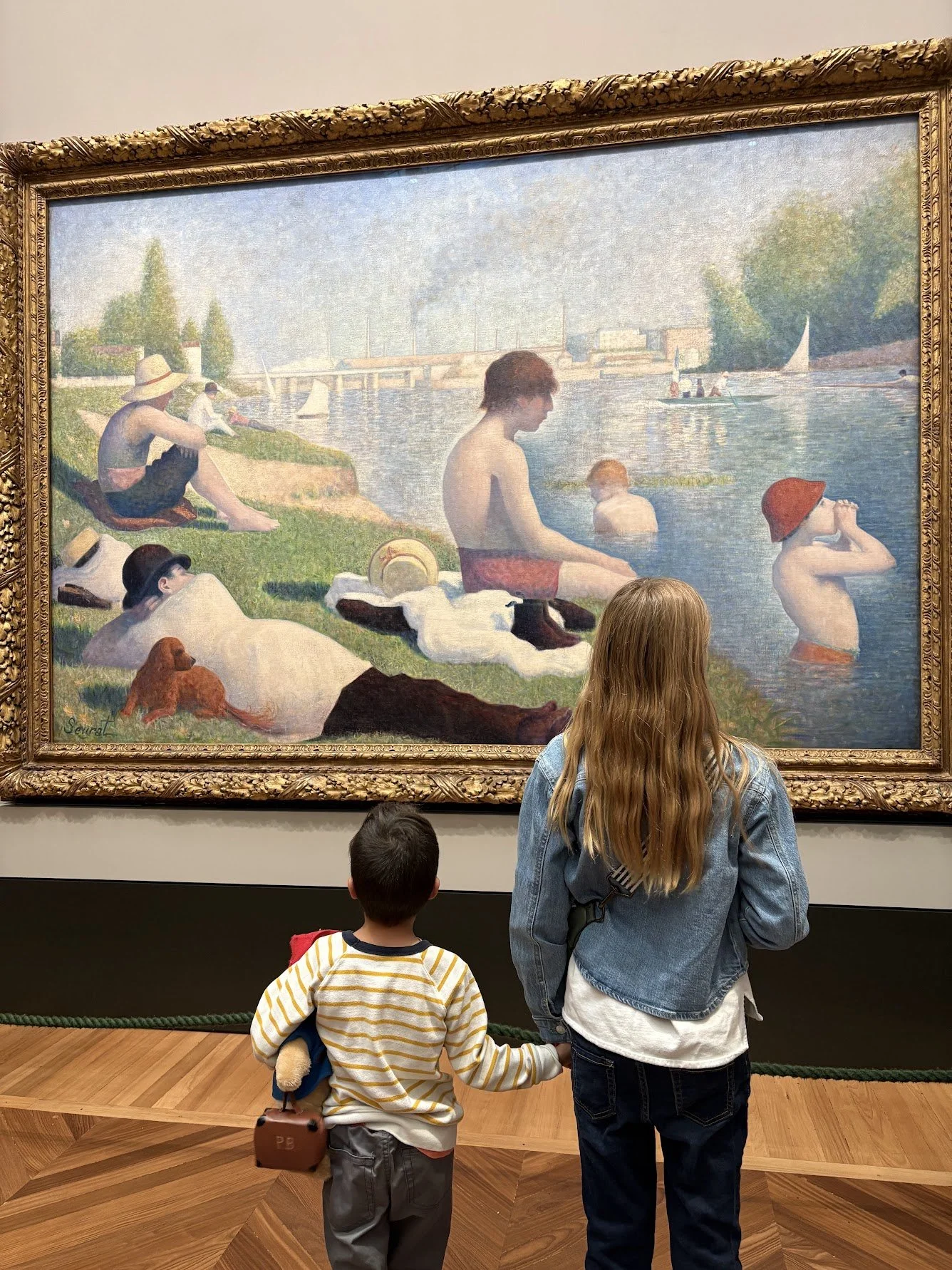
Years ago, I read this from Charlotte Mason in Towards a Philosophy of Education that children should leave school with-
“a couple of hundred pictures by great masters hanging permanently in the halls of [their] imagination”
At this time my daughter was in year 3 of our Charlotte Mason Homeschool, we have practiced picture study faithfully. Each term we choose one artist. We looked closely. We learned the titles. We narrated what we saw. We placed the artist on our timeline. We returned to the same paintings again and again until they were familiar.
I believed I was furnishing my daughter’s mind.
What I did not realize was that I was furnishing my own.
Lying inside that machine, unable to move, I began to walk through the galleries in my imagination. A soft landscape from Claude Monet. The warm light of a room painted by Johannes Vermeer. The steady fields of Jean-Francois Millet. I remembered Frida’s monkey on her shoulder and the pose of Degas’ ballerina.
I studied the light. I traced the horizon lines. I recalled the small details we had once noticed together at the table.
The machine was still loud, the space was still tight, but my mind was not trapped. I had a hallway to walk down and beauty to see.
This is the gift of a living education.
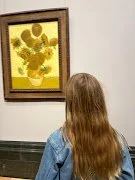
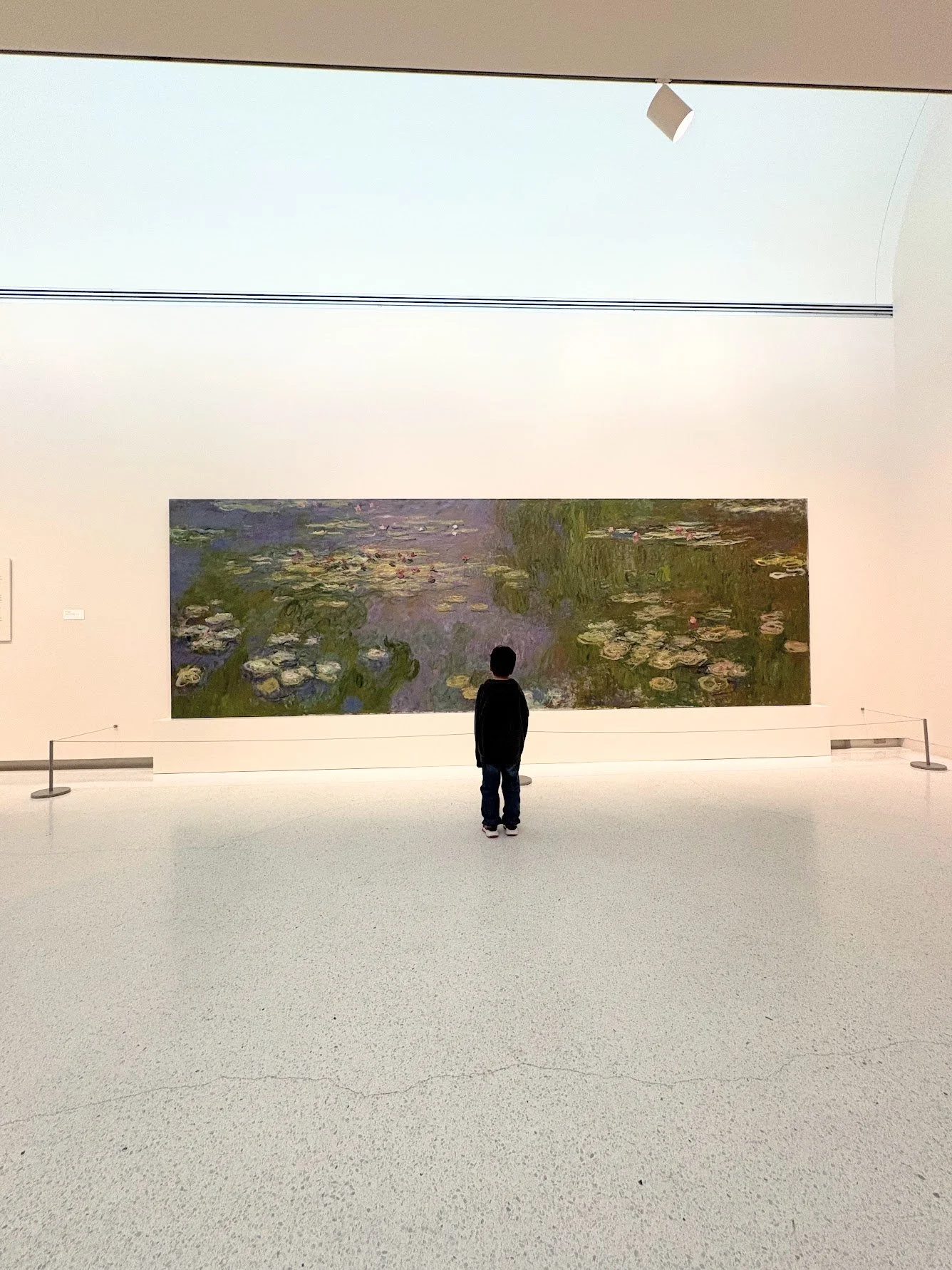
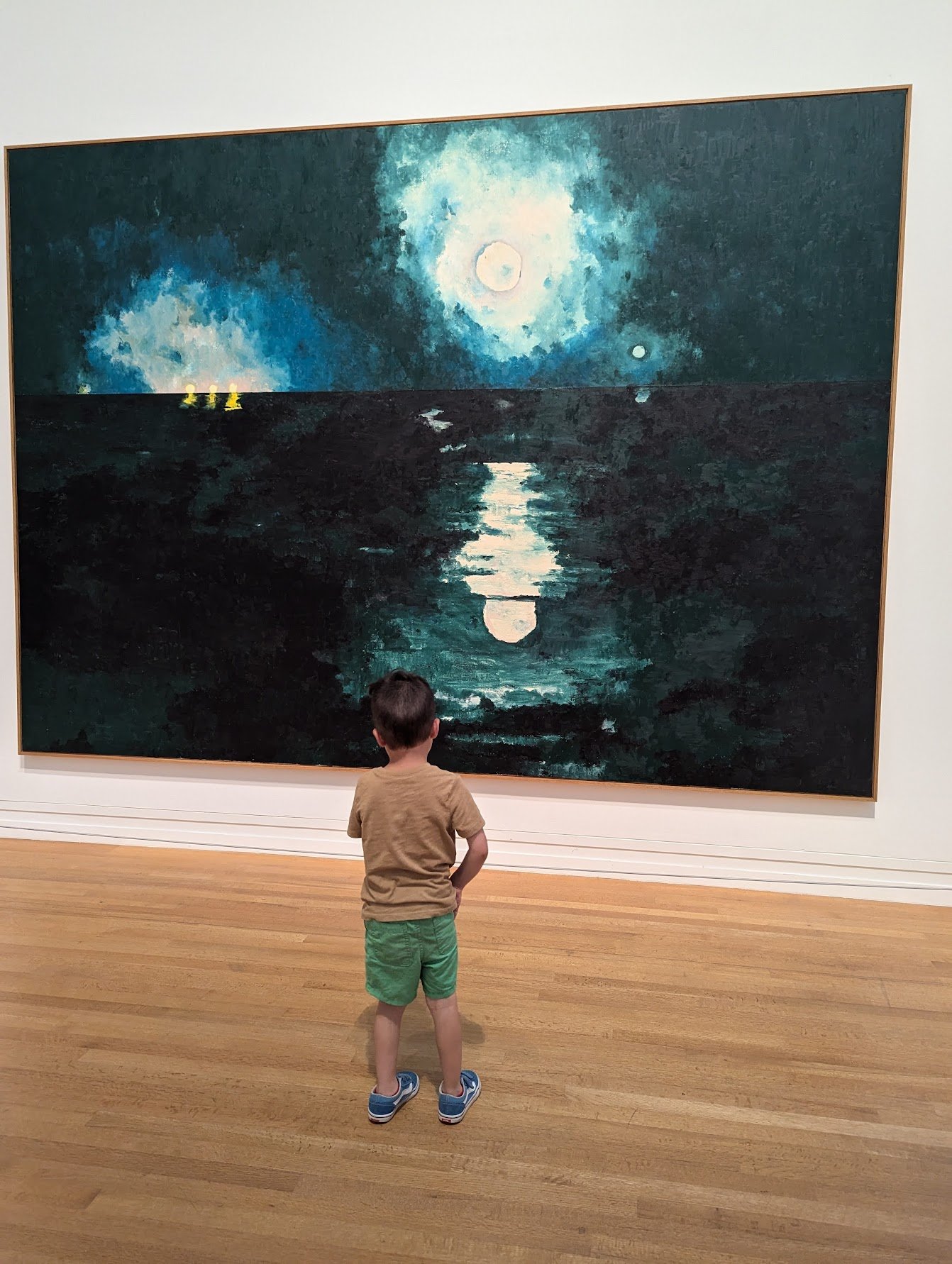
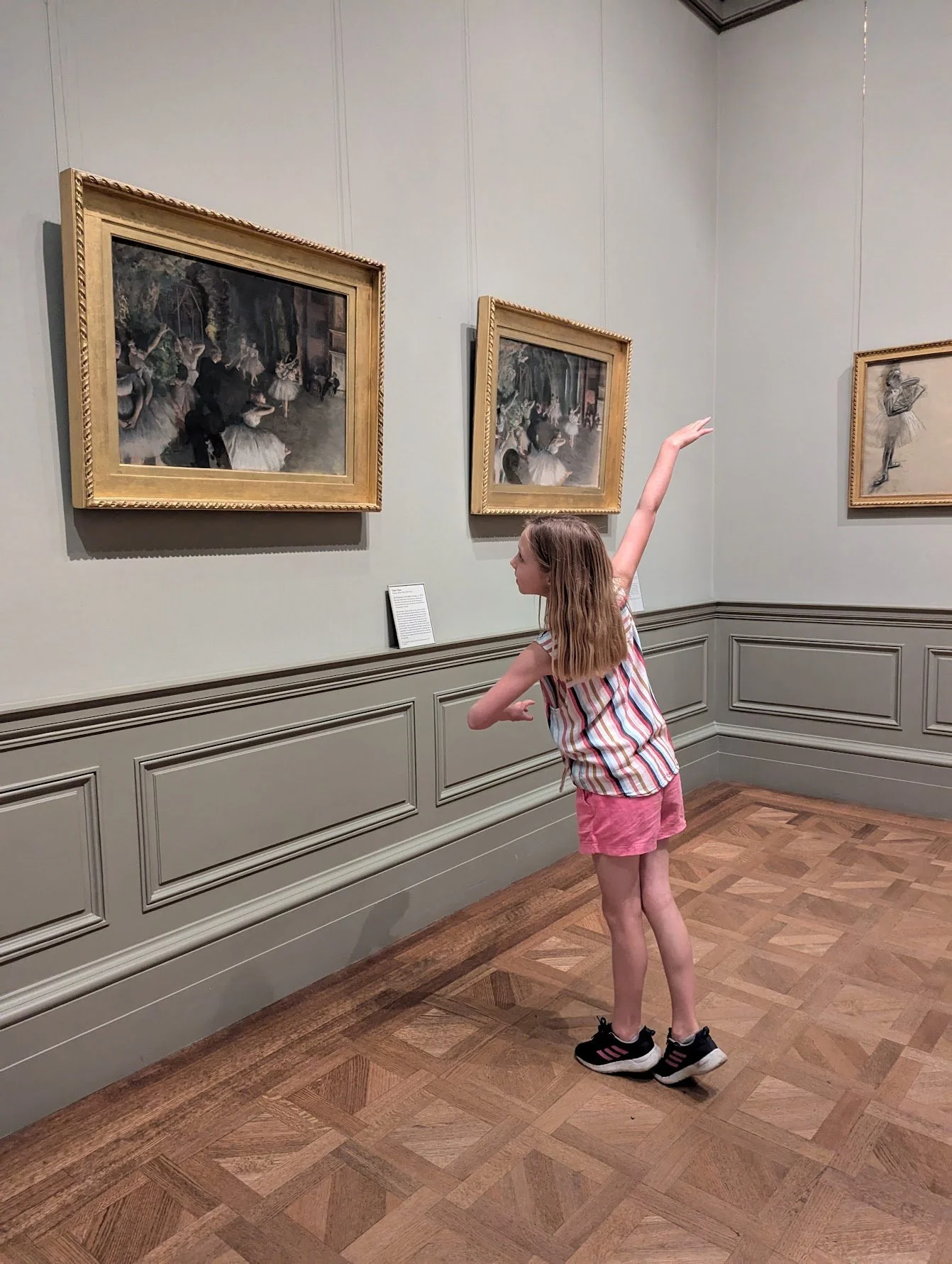
We often speak about giving our children “large rooms” to live in. We want them to have beauty stored away. We want them to have something steady and true to return to. But we rarely consider how much we need those same reserves.
There will be moments when they cannot move. Moments when they are anxious, confined, afraid, or waiting. We cannot predict what those situations will be. A hospital room. A long night with a sick child. A season of grief. A place where they feel alone.
What will they have to walk through in their minds?
If their education consists only of information, it offers little refuge. But if it has been shaped by beauty, by paintings truly known, by poetry carried in memory, by landscapes, light, and color, then they will not find themselves empty when they most need something to hold onto.
Beauty prepares us for endurance.
In that MRI machine, I understood something I desperately needed. Education is not preparation for exams. It is preparation for everything life has to offer us. For suffering. For waiting. For Joy. For the moments when you must be still and you cannot leave.
We do picture study for our children.
But perhaps we also do it for the day when we are lying inside a loud white tube, unable to move, and we need somewhere beautiful to go.