Charlotte Mason’s List of Attainments for a Child of the age of 6: Learning to Copy in Print-Hand
Attainment 5: “To copy in print-hand from a book.”
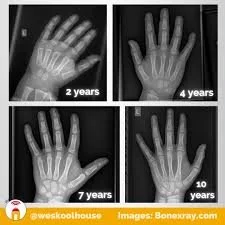
Charlotte Mason treated handwriting not as a mechanical skill but as an act of attention. For a young child, copying in print-hand is about proper letter formation but it is about training the eye to see carefully and the hand to obey the mind. This work is formative, and deeply connected to the habit of attention. But it also requires external skills that help improve the hands- it’s also one that is best delayed until closer to 6 when the bones in a child’s hand are more developed. If your child is passionate about wanting to draw, write, or paint, don’t put it off but know that learning true proper penmanship is best when their hands are more formed.
Why Copywork Begins Early
Mason believed that handwriting should begin before formal composition, not as a separate subject but as part of the child’s growing relationship with language. It makes sense that learning proper penmanship and handwriting isn’t just a skill necessary so that wiring is legible, it’s also necessary so as not to fatigue the child. In a traditional Mason school, written narrations begin around 4th grade, so a child learning honing their handwriting skills before then is worth the time and effort. Copying well-chosen words from a book trains accuracy, patience, and care. It also teaches the child that written words deserve respect.
At this age, copying is brief and purposeful. One word or one short sentence is enough. Truly, begin with a single world, copied perfectly, with appropriate attention from the teacher and student.
Preparing the Hand and Eye
Before expecting a child to copy letters on a page, it helps to strengthen the hand and develop visual discrimination. This attainment is one that, in modern age, is actually becoming harder and harder to meet. Before children are able to copy in print, they must first grow their hand and finger strength and dexterity. In order to do that, they need time, a lot of time, using these muscle groups.
Activities like lacing beads, kneading dough, playing with clay, picking up tiny rocks- all of these grow the muscle groups needed for writing.
Once a child is able to correctly hold a pencil and learn to write,
Helpful preparations include:
Drawing with thick crayons or pencils
Tracing straight and curved lines in sand or salt trays
Building letters with sticks, clay, or pipe cleaners
Drawing simple shapes carefully and slowly
These activities are not busywork, even if they feel like they are. They prepare the child for controlled movement and careful observation.
How to Begin Copywork
Choose beautiful, familiar words.
Begin with a single word the child knows well. Their name and the names of their family, a favorite poem line, or a Scripture phrase works best. Mason insisted that copywork should always come from a book or text worth imitating.Model careful writing.
Write the word clearly, or point to it in a well-printed book. Ask the child to look closely before writing. This moment of attention matters more than the writing itself. (most letters are written from the top of the line to the bottom)Keep it very short.
One word or one short phrase is enough for a child under six. Stop while the child is still willing. A good lesson leaves the child satisfied, not drained.Expect best effort, not perfection.
If a letter is poorly formed, erase it and try again together. Mason encouraged correcting errors gently and immediately, without criticism.Use proper materials.
A sharp pencil, unlined paper, and a firm surface help the child succeed. Wide lines may be introduced later, but many children do better first on plain paper.
Games and Gentle Practice Ideas
Air Writing: Have the child trace large letters in the air with their finger before writing them on paper.
Chalkboard Copying: Writing on a vertical surface strengthens the hand and shoulder.
Copy the Card: Write a word on a small card and place it beside the paper so the child must look back and forth.
Nature Words: After a walk, copy a word connected to what was seen, such as “oak,” “bird,” or “stone.”
These small variations keep the work fresh while preserving its purpose.
Recommended Resources
Home Education by Charlotte Mason, especially the sections on handwriting and habits
Handwriting Without Tears materials can be adapted for Mason-style short lessons
Unlined sketchbooks or high-quality paper for early copywork
Short poems or Scripture passages already memorized by the child
Avoid worksheets and repetitive drills. Mason was clear that such work dulls attention rather than forming it.
The Mother’s Role
Your presence sets the tone. Sit nearby. Watch closely and encourage their effort. This is not a task to assign and walk away from. Early copywork is relational. It communicates that careful work matters and that you are willing to give time to it.
If a child resists, step back. Return to drawing, narration, or oral language for a time. Copywork should never become a battleground.
To copy in print-hand is to practice obedience of mind and hand. These small, careful acts shape habits that reach far beyond handwriting. When we ask a young child to write with care, we are not prescribing drill work that is able to be passed off. We are laying one of its firmest foundations.

Introducing Little Wanderers Copywork, a beautifully crafted early years handwriting program designed specifically for the preschool to first grade years. Rooted in the principles of beauty, simplicity, and the natural development of a child's skills, this program transforms handwriting practice into an inspiring and enjoyable adventure.
Key Features:
Gentle, Gradual Learning:
Little Wanderers Copywork embraces the Charlotte Mason philosophy of short, focused lessons that respect a child's attention span and foster a love for learning. Each lesson is designed to be engaging, allowing children to develop their handwriting skills naturally and joyfully. Lessons should take no longer than 5 to 10 minutes of careful attention a day. If your child takes longer than 10 minutes, split the lesson up over several days.
Artistic Expression:
Recognizing the importance of beauty in education, Little Wanderers Copywork integrates beautiful watercolor details throughout the lessons. .
Why Choose Handwriting Journeys?
Aligned with Charlotte Mason Principles: This program was inspired by the educational philosophy of Charlotte Mason, promoting a love of learning and an appreciation for beauty.
Holistic Development: Little Wanderers Copywork nurtures not only fine motor skills but also cognitive development.
Flexible and Adaptable: Suitable for a range of early years stages, our program can be tailored to meet the unique needs and pace of your child, ensuring a personalized learning experience.
Embark on a handwriting adventure with Little Wanderers Copywork and watch your child's skills flourish in an environment that values beauty, curiosity, and the joy of learning. Join the Charlotte Mason community in fostering a lifelong appreciation for the art of writing.
This is a digital product, no physical copy will be sent to you. This program is included in the full kindergarten program. If you have already purchased Little Wanderers Kindergarten, please do not purchase this separately.